What Are The Requirements For Model Digitals?
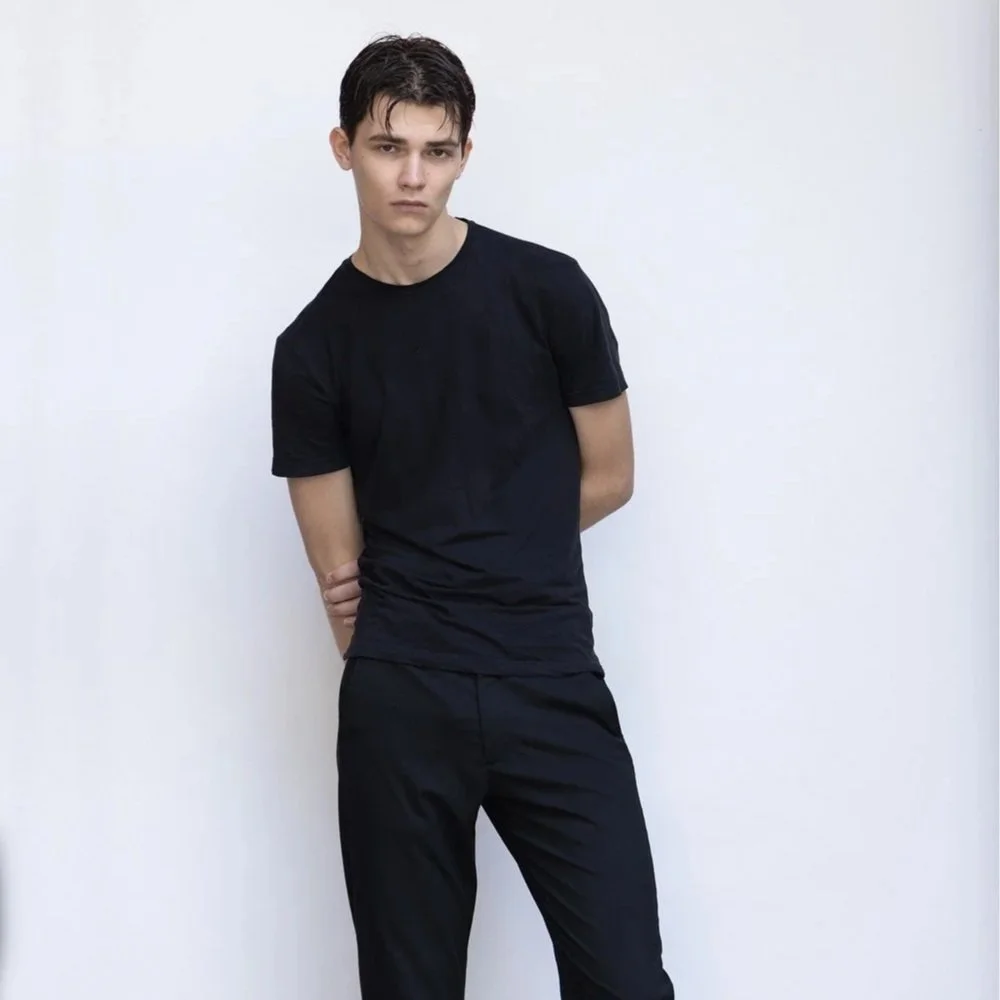
Model digitals are unedited photos showing your authentic appearance in simple, form-fitting clothes against a plain background with natural light. You'll need full-body shots, close-ups, and profiles with minimal makeup and styled but natural hair. Include accurate, current measurements and submit high-resolution images that are less than three months old. Proper digitals dramatically increase your chances of getting agency attention and casting opportunities.
Read on to discover the exact specifications that industry professionals look for in model digitals. Following these requirements could be the difference between getting passed over and landing your dream job.
Key Takeaways
Model digitals must be unedited, natural images taken against a plain background to showcase authentic appearance.
Wear form-fitting, neutral clothing (typically black tank top with dark jeans) without logos to display body proportions.
Include full-body, profile, and close-up shots with minimal makeup and neatly styled hair.
Submit high-resolution images (300 dpi) with accurate measurements including height, bust/chest, waist, hips, and sizes.
Photos should be current (within three months) and updated quarterly to maintain accurate representation.
What Model Digitals Are and Why They Matter
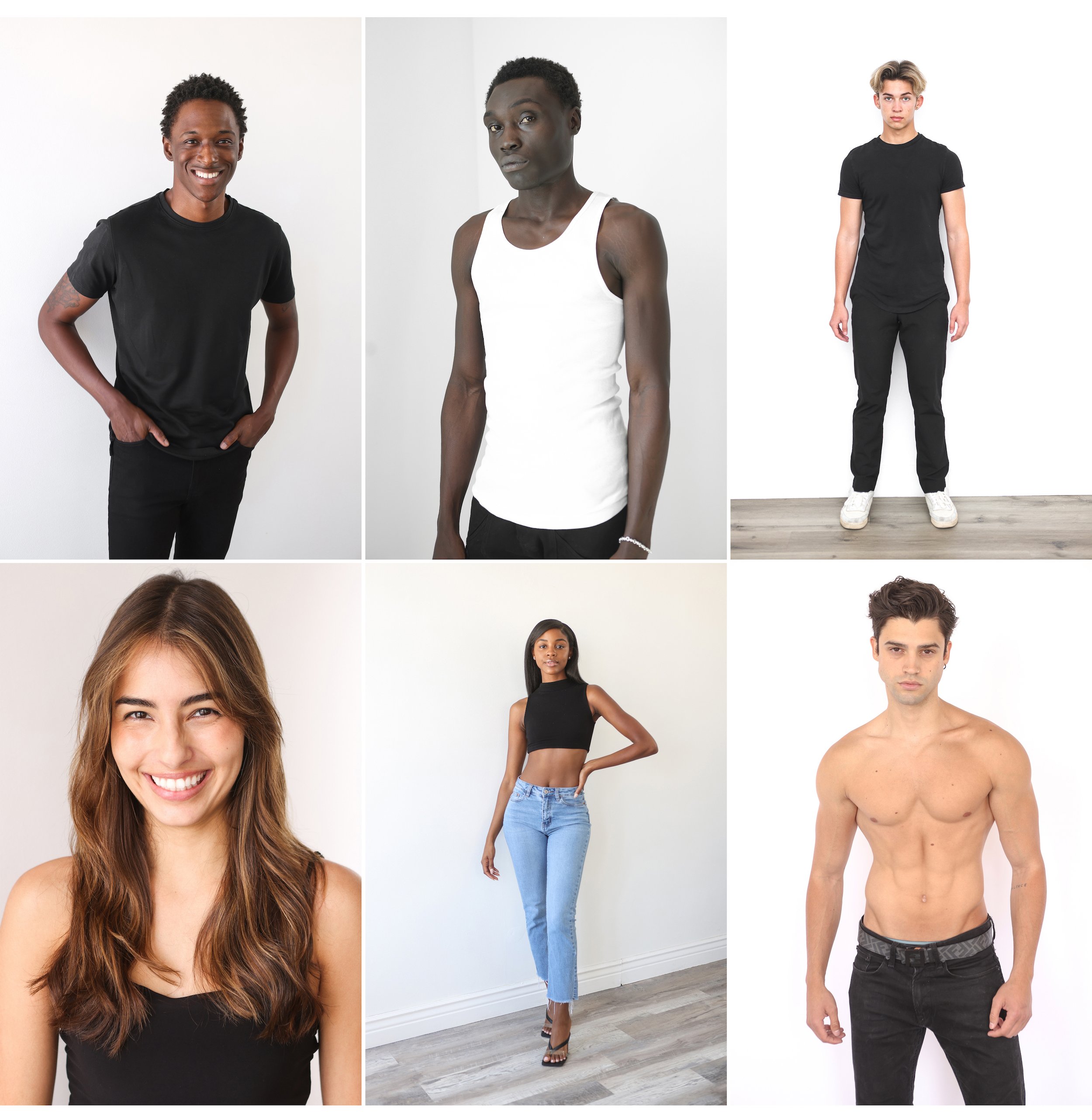
Photographs serve as the foundation of any successful modeling career, but model digitals stand in a category of their own. These unedited, natural images display your authentic appearance without filters or professional retouching, acting as your visual résumé in the industry.
Model digitals, also called "Polaroids" or "Digis," are industry standards required by agencies to evaluate your raw potential before representation. Unlike your curated social media photos, digitals provide casting directors and clients with an honest preview of how you'll appear on camera.
They're crucial for building trust between you, agencies, and clients by demonstrating transparency and professionalism. These images should include both portrait and full-body shots to give agencies a comprehensive view of your versatility. Agencies typically expect digitals to feature minimal makeup to highlight your natural features and skin texture. Additionally, maintaining a clean and natural appearance can significantly enhance the effectiveness of your digitals.
You'll need to update your digitals regularly, especially after significant appearance changes like haircuts or weight fluctuations, ensuring everyone in the hiring process has access to accurate visual information about you.
Model Digitals Posing Requirements
Good posing in your model digitals is essential because it directly impacts how effectively you can showcase your marketable attributes to industry professionals. Digitals serve as your calling card, allowing agencies and clients to evaluate your body proportions, facial features, and overall potential for bookings.

Awkward or unnatural poses can distort your actual physique and create an inaccurate representation of your appearance, leading to potential mismatches between client expectations and reality.
Clear, straightforward poses ensure that your true proportions are accurately displayed, enabling casting directors to make informed decisions about your suitability for specific projects. Professional agencies specifically request simple poses because they need to assess your natural state without artistic embellishments or distractions. Poor posture or improper weight distribution can make even the most physically suitable candidate appear unprofessional or unprepared, immediately diminishing your booking potential.
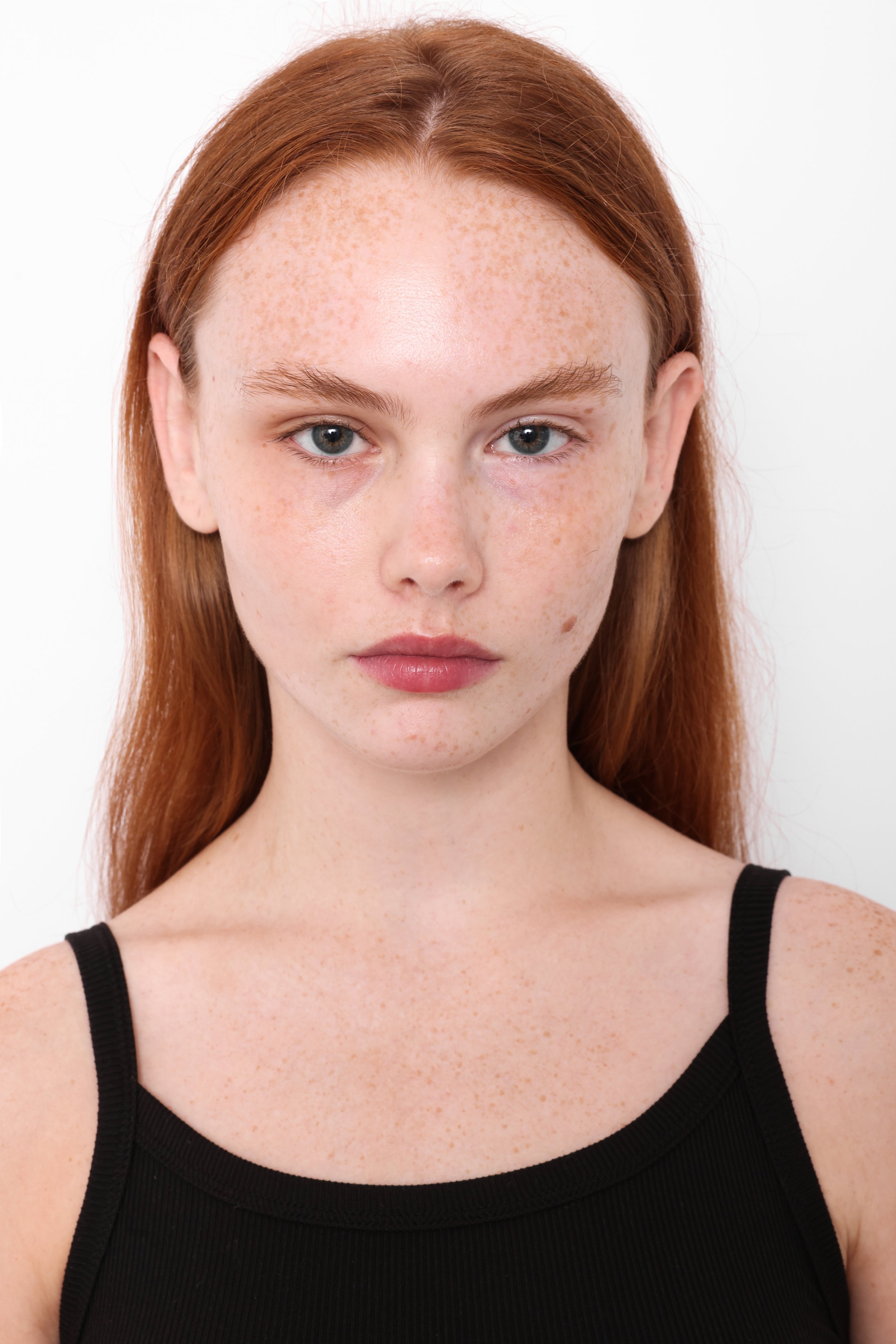
For female model digitals, standard poses include: a straight-on front view with your arms relaxed at your sides; a 3/4 angle with weight on your back leg and hands placed naturally at your sides; a direct profile with your shoulders squared and posture upright; and a back view with your shoulders relaxed and arms hanging naturally.
For male model digitals, effective digital poses include: a straight front view with your hands in pockets or arms relaxed; a 3/4 angle with slight weight shift; and a profile shot with natural, unforced posture.
For both male and female models, your close-up facial shots should be included with neutral expressions, slight smiles, and profiles that showcase your facial structure clearly. All your poses should maintain a natural stance with minimal styling, allowing your inherent physical characteristics to be the focus. Your weight distribution should appear balanced, with shoulders level, spine straight, and neck elongated without appearing forced or uncomfortable.
Clothing and Styling Guidelines for Professional Representation
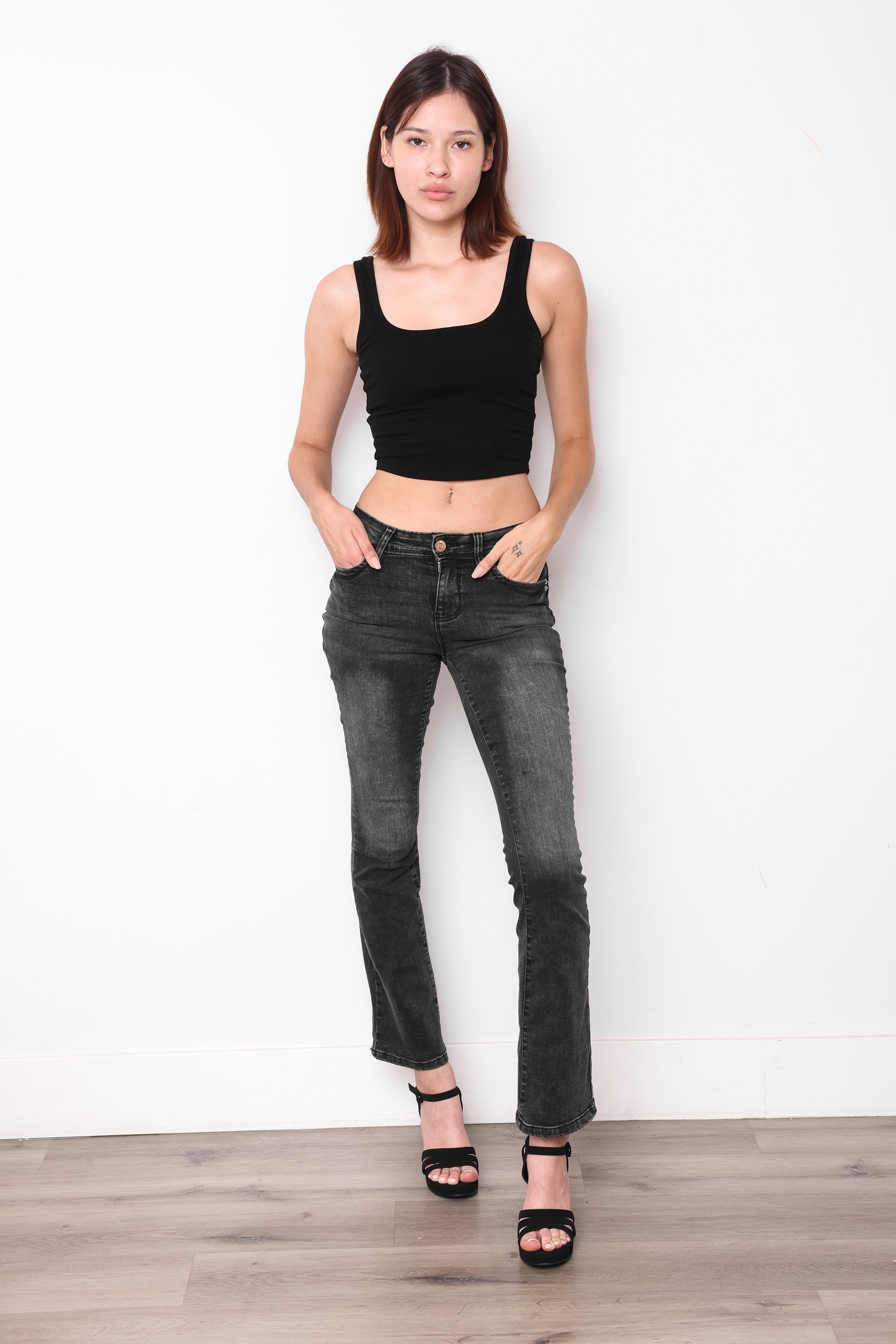
Your clothing and styling choices play a decisive role in creating successful model digitals. Opt for neutral, solid-colored garments that fit well and avoid distracting logos or excessive patterns. Your clothing choices should highlight your best attributes while remaining appropriate for your intended modeling niche.
Maintain styling consistency across your digital set by coordinating hair, makeup, and accessories within a cohesive color palette. This helps casting agents focus on your features rather than being distracted by dramatic style changes.
Focus on a clean, uncluttered layout that emphasizes your natural features rather than flashy styling elements. Well-fitted styles can enhance your overall appearance and boost your confidence during the shoot. Consider organizing your digital photos into structured categories based on different looks or styles to enhance clarity and engagement.
Keep makeup natural and hair neatly styled to improve, not overpower, your appearance.
Technical Photography Requirements and Best Practices
Technical excellence forms the foundation of successful model digitals that capture agencies' attention. Your camera settings should prioritize clarity and accuracy, with proper exposure and sharp focus.
Implement professional lighting techniques that flatter your features without distorting your natural appearance. The photos should showcase models in their natural state, without heavy makeup or professional studio lighting. To achieve this, ensure that you experiment with poses and angles that reflect your unique selling points.
Consider preparing your images in high resolution, as most agencies require 300 dpi for quality assessment when viewing your portfolio.
Agency Submission Standards and Expectations

Agency submission standards establish the rigid framework through which modeling agencies evaluate potential talent.
You'll need to provide a complete digital package that meets specific model agency expectations for review. This typically includes current photos taken within the last three months that reflect your present appearance, organized in a digital portfolio or comp card format.
The submission process requires low-resolution files without embedded information to facilitate easy agency review. Images should have clean backgrounds and contain no hats, sunglasses, or filters. Additionally, agencies look for a variety of shot types to gauge your modeling versatility.
You'll need to include your measurements, age, and a brief biography alongside your digitals. It's recommended to wear form-fitting clothing or a black tank top with dark jeans to clearly show your body proportions. If you've made any appearance modifications like hair color changes, new tattoos, or cosmetic procedures, document these clearly.
Agencies expect updated digitals quarterly to track changes in your look and maintain accurate representation.
Measurements and Physical Information Requirements
Accurate body measurements form the foundation of your model digital submission, allowing agencies to properly evaluate your suitability for specific jobs and clients.

When recording your measurements, verify you're using precise tools like soft measuring tapes and maintain quarterly updates to reflect your current physical condition.
Height measured without shoes in feet/inches or centimeters
Bust/chest measured at the fullest part with a snug tape measure
Waist measured at the narrowest point, typically above your navel
Hips measured at the fullest part of your buttocks for true representation
Shoe size and dress/suit size according to standard sizing charts
Measurement accuracy isn't just about numbers, it's about honest representation.
Support your measurements with unedited photos in form-fitting, neutral clothing that clearly display your body's proportions, skin condition, and natural features without distortion or heavy editing.
What Are The Requirements For Model Digitals?
Your digital portfolio is your modeling career's foundation. Keep it updated with high-quality images that follow agency guidelines, display your versatility, and accurately represent your current look. Remember to include precise measurements and maintain professional standards in all photos. By regularly updating your digitals and following industry requirements, you'll position yourself as a serious, prepared model ready for opportunity.